
In today’s rapidly changing digital world, having a strong online presence is no longer optional for businesses—it is essential. Consumers spend a significant amount of their time online researching products, comparing services, reading reviews, and interacting with brands. As a result, digital marketing has become one of the most effective ways for businesses to connect with their target audience, build brand awareness, generate leads, and increase sales.
Digital marketing refers to the use of digital channels, platforms, and technologies to promote products, services, and brands. It includes a wide range of strategies such as search engine optimization (SEO), social media marketing, content marketing, email marketing, paid advertising, and analytics.
What Is Digital Marketing?
Digital marketing is the process of promoting a business through online platforms and digital communication channels. Unlike traditional marketing, digital marketing allows businesses to reach specific audiences, measure campaign performance, and make real-time improvements based on data.
From a small local business to a global organization, companies can use digital marketing to communicate with potential customers and build long-term relationships. A well-planned digital marketing strategy helps businesses reach the right people at the right time with the right message.
Importance of Digital Marketing
One of the biggest advantages of digital marketing is its ability to reach a large and targeted audience. Businesses can use demographic, geographic, behavioral, and interest-based information to create campaigns that are more relevant to their customers.
Digital marketing is also highly measurable. Businesses can track website traffic, social media engagement, advertising performance, leads, conversions, and other important metrics. This allows marketers to understand what is working and where improvements are needed.
Another major benefit is cost-effectiveness. Compared with many traditional advertising methods, digital marketing can provide businesses with flexible options for reaching their audiences while allowing them to control budgets and monitor results.
Search Engine Optimization (SEO)
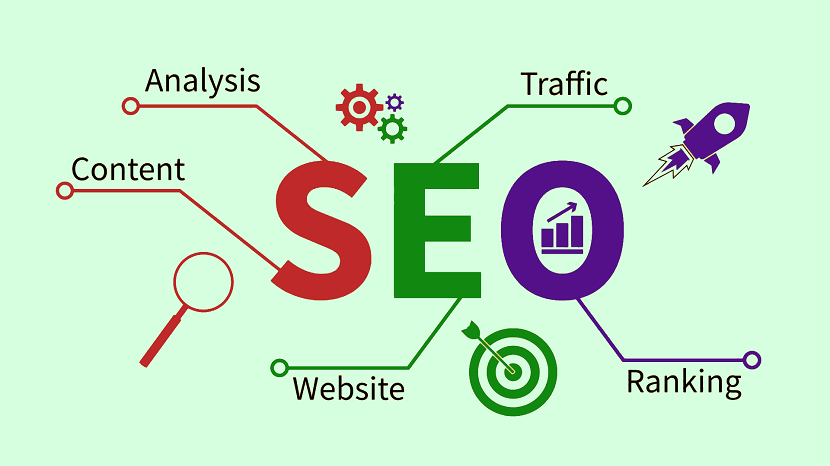
SEO is an important part of digital marketing. It focuses on improving a website’s visibility in search engine results so that potential customers can find the business more easily.
Effective SEO involves keyword research, high-quality content, website optimization, technical improvements, internal linking, and other strategies. The goal is not simply to attract visitors but to bring relevant users who are genuinely interested in the products or services offered.
A strong SEO strategy can help a business build long-term organic visibility and establish credibility within its industry.
Social Media Marketing
Social media has transformed the way businesses communicate with their customers. Platforms such as Instagram, Facebook, LinkedIn, YouTube, and other social networks provide businesses with opportunities to showcase their products, share valuable content, interact with customers, and strengthen their brands.
Successful social media marketing requires more than simply posting regularly. Marketers need to understand their target audience, create engaging content, maintain a consistent brand voice, and analyze performance.
Social media can also help businesses build communities around their brands. By responding to comments, answering questions, and engaging with followers, businesses can create stronger relationships with their audiences.
Content Marketing
Content is one of the foundations of successful digital marketing. Content marketing involves creating and distributing useful, relevant, and valuable content to attract and retain a target audience.
Blog posts, videos, social media posts, infographics, case studies, newsletters, and guides are examples of content that businesses can use to educate and engage customers.
High-quality content can help establish a company as an authority in its field while also supporting SEO, social media, and lead-generation efforts.
Email Marketing

Email marketing remains an effective way to communicate directly with customers. Businesses can use email campaigns to share updates, promote products, provide useful information, and maintain relationships with existing customers.
Personalization and segmentation can make email marketing more effective. Instead of sending the same message to everyone, marketers can create campaigns based on customer interests, behavior, and previous interactions.
A successful email marketing strategy focuses on delivering value rather than simply sending promotional messages.
Paid Digital Advertising
Paid advertising allows businesses to reach potential customers quickly through platforms such as search engines and social media networks. Marketers can create targeted campaigns based on factors such as location, interests, demographics, search behavior, and online activity.
Paid advertising can be particularly useful for generating traffic, leads, sales, and brand awareness. However, effective campaigns require careful planning, creative advertising materials, audience targeting, budget management, and continuous performance optimization.
Data and Analytics
Data plays a critical role in modern digital marketing. Analytics tools help marketers understand how users interact with websites, advertisements, social media content, and other digital channels.
By analyzing key performance indicators such as traffic, engagement, click-through rates, conversion rates, and return on investment, marketers can make informed decisions and improve future campaigns.
Data-driven marketing reduces guesswork and helps businesses focus their resources on strategies that produce meaningful results.
The Role of a Digital Marketer

A digital marketer is responsible for planning, implementing, monitoring, and improving online marketing activities. The role often requires a combination of creativity, communication skills, analytical thinking, and technical knowledge.
A digital marketer may be involved in creating content, managing social media accounts, conducting keyword research, running advertising campaigns, analyzing data, developing marketing strategies, and monitoring competitors.
Because the digital landscape is constantly evolving, successful marketers must continuously learn about new platforms, technologies, consumer behaviors, and marketing trends.
Future of Digital Marketing
The future of digital marketing will continue to be influenced by technological innovation and changing consumer expectations. Artificial intelligence, automation, personalization, video content, voice search, and data-driven strategies are becoming increasingly important.
Businesses that adapt to these changes and focus on delivering valuable customer experiences will have greater opportunities to succeed in a competitive digital environment.
Conclusion
Digital marketing has become a fundamental part of modern business growth. It provides businesses with powerful opportunities to connect with customers, strengthen their online presence, generate leads, and increase revenue.
A successful digital marketing strategy requires a combination of SEO, social media, content, email, paid advertising, and data analytics. More importantly, it requires a clear understanding of the target audience and a commitment to providing genuine value.
As technology continues to evolve, digital marketing will remain an essential tool for businesses looking to compete, grow, and build lasting relationships with their customers in the digital age.